

BRICS Expansion Explained: What 11 Members Mean for the Global South
Updated: 21 hours ago
BRICS has grown from a small emerging-market grouping into a wider platform spanning Asia, Africa, the Middle East and Latin America. In 2026, the 11 members are Brazil, China, Egypt, Ethiopia, India, Indonesia, Iran, Russia, Saudi Arabia, South Africa and the UAE.
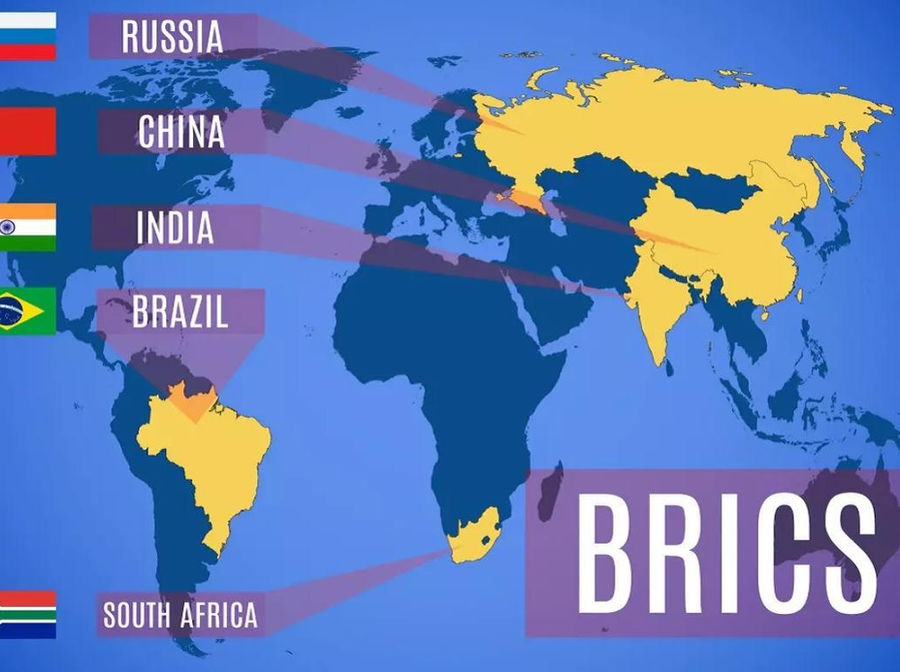
Expansion brings economic weight
The larger membership brings together major manufacturing economies, energy exporters, agricultural producers and large consumer markets. That creates opportunities for South-South trade, investment and technology partnerships if members can make their systems work together more efficiently.
The Global South dimension
India's 2026 chairship places emphasis on the aspirations of the Global South and on a more inclusive global order. BRICS gives emerging economies a forum to coordinate positions on development, finance, technology and global governance.
The cost of diversity
The same diversity that gives BRICS its reach also makes consensus harder. Members differ on conflicts, currencies, trade policy and relations with Western powers. A larger BRICS therefore needs stronger institutions and more practical agendas, not simply more members.
What would make expansion successful
Expansion will matter if it produces measurable cooperation: better trade links, investment channels, research networks, technology partnerships and development initiatives. The real test is whether the bigger group can turn representation into results.
Sources and further reading
Research for this article draws on official Indian government releases and current reporting from established news organisations. Darshikam editorial content is written for context, clarity and search-friendly discovery.


Comments